
If you’ve ever looked at a beautifully crocheted scarf, blanket, or toy and thought, “I’d love to make that,” you’re in the right place! Crochet is a rewarding and creative craft that anyone can learn.
Whether you're looking to make cozy blankets, stylish accessories, or adorable amigurumi, crochet offers endless possibilities. With just a few basic techniques and the right tools, you can create your own handmade items in no time.
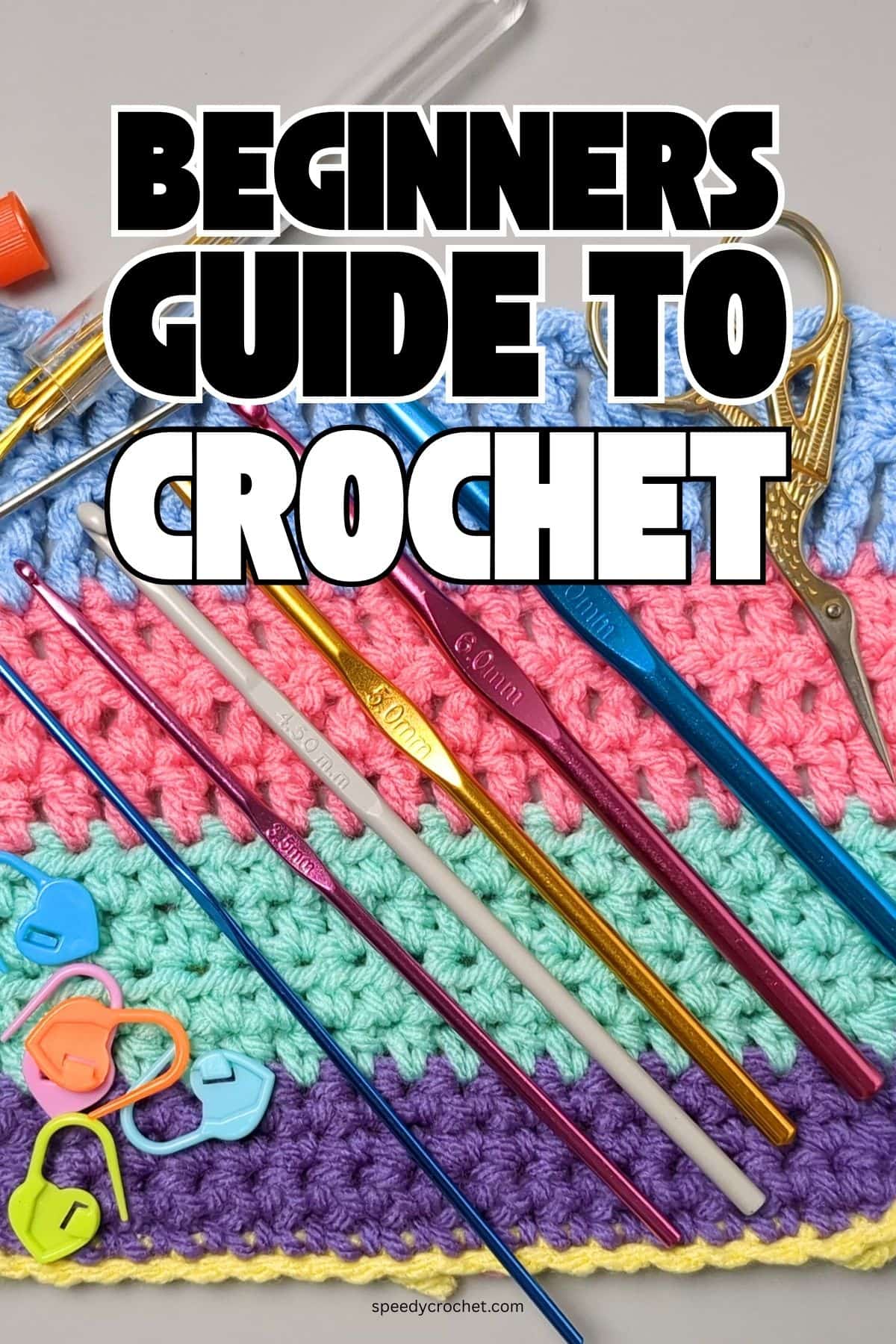
In this beginner’s guide to crochet, we’ll cover everything you need to get started: from selecting your supplies to learning your first stitches.
Whether you’re crafting for yourself, creating gifts for loved ones, or simply enjoying a new hobby, crochet is a relaxing and enjoyable skill that offers both creativity and satisfaction.
Crochet is easier than you think, and with a little practice, you'll soon be stitching away on projects.
The best part? You don't need to be an expert to create something beautiful! This guide will help you learn the basics, avoid common mistakes, and start creating your very first crochet projects. Ready to dive in? Let’s get started!
Table of contents
What You Need to Get Started with Crochet
Before you can start crocheting, there are a few essential tools you’ll need. Don’t worry - nothing too complicated! Here’s what to gather to begin your crochet journey:
Crochet Hook
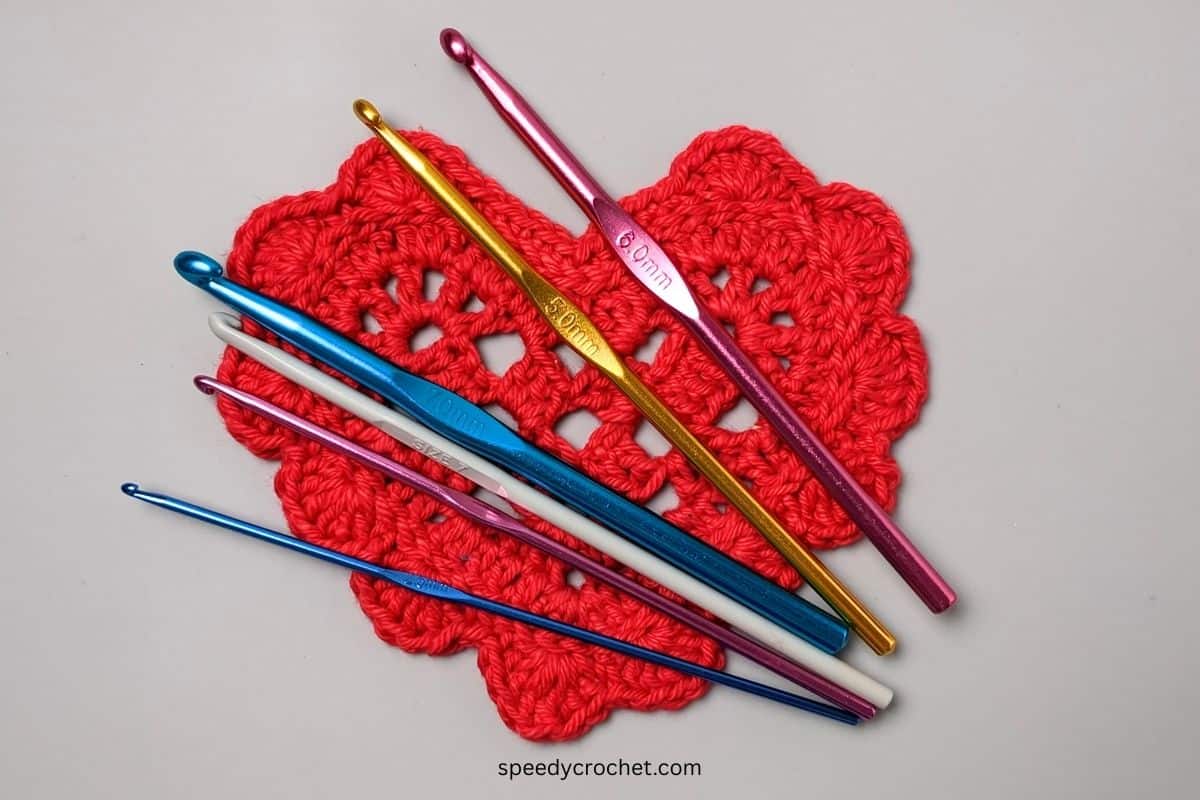
Crochet hooks come in different sizes, so choose one that’s appropriate for the yarn you plan to use.
Beginners often start with a medium-sized hook, such as H-8 (5mm) or I-9 (5.5mm). The size of your hook will affect the tightness or looseness of your stitches.
Yarn
Yarn is the heart of every crochet project, and it comes in a variety of thicknesses, colors, and materials.
For beginners, it's easiest to start with a medium-weight yarn (like worsted weight), as it’s easier to work with and holds its shape well. Look for yarn labelled “easy care” or “machine washable” if you're planning on gifting your creations.
Scissors
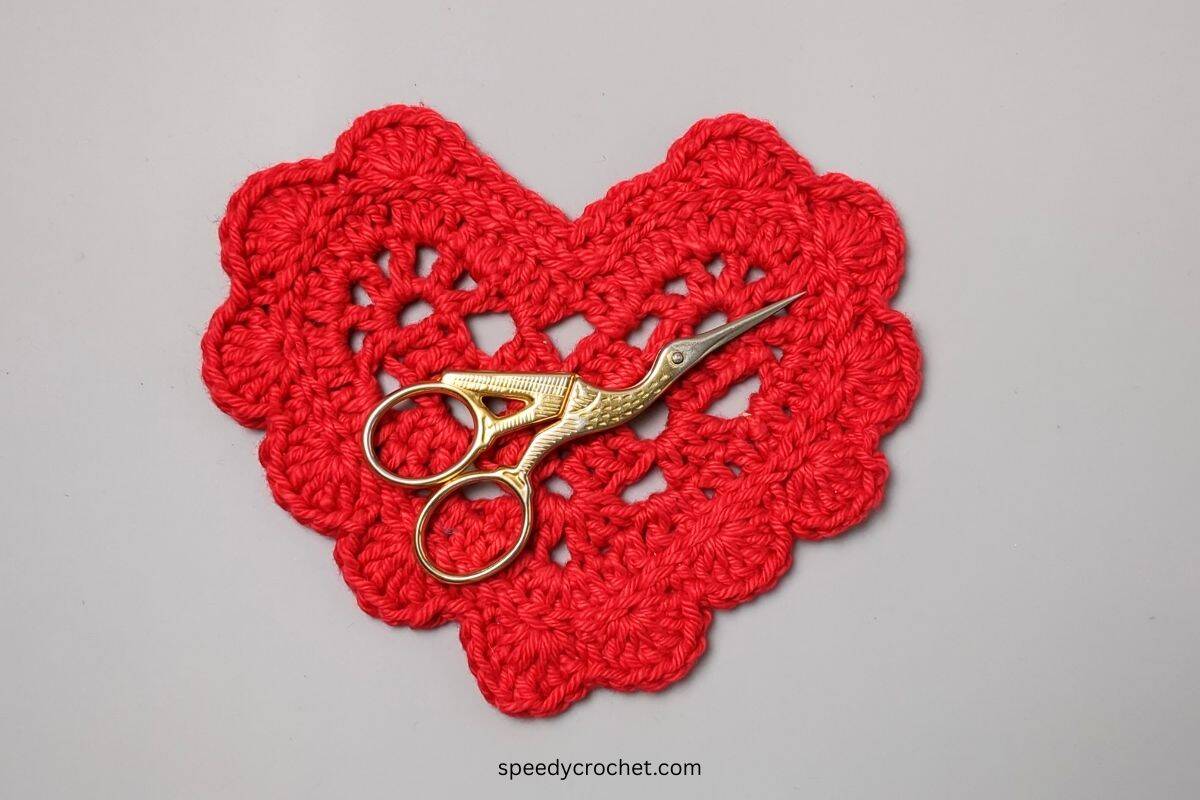
You’ll need a pair of sharp scissors to trim your yarn as you finish off your projects. They don’t need to be fancy, but having a dedicated pair for crochet will make your crafting easier.
Tapestry Needle
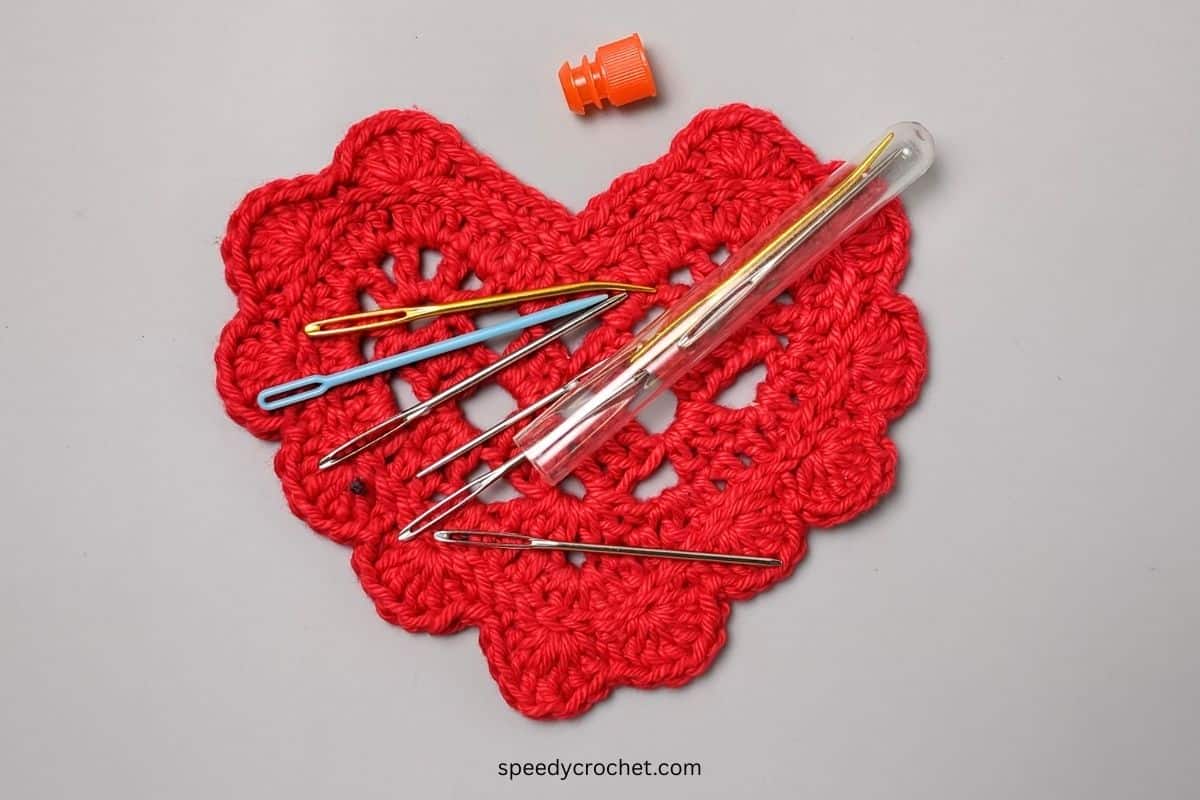
A tapestry needle is useful for weaving in loose yarn ends after you’ve finished your project. It has a large eye to fit the yarn, and a blunt tip to avoid poking through your work.
Stitch Markers
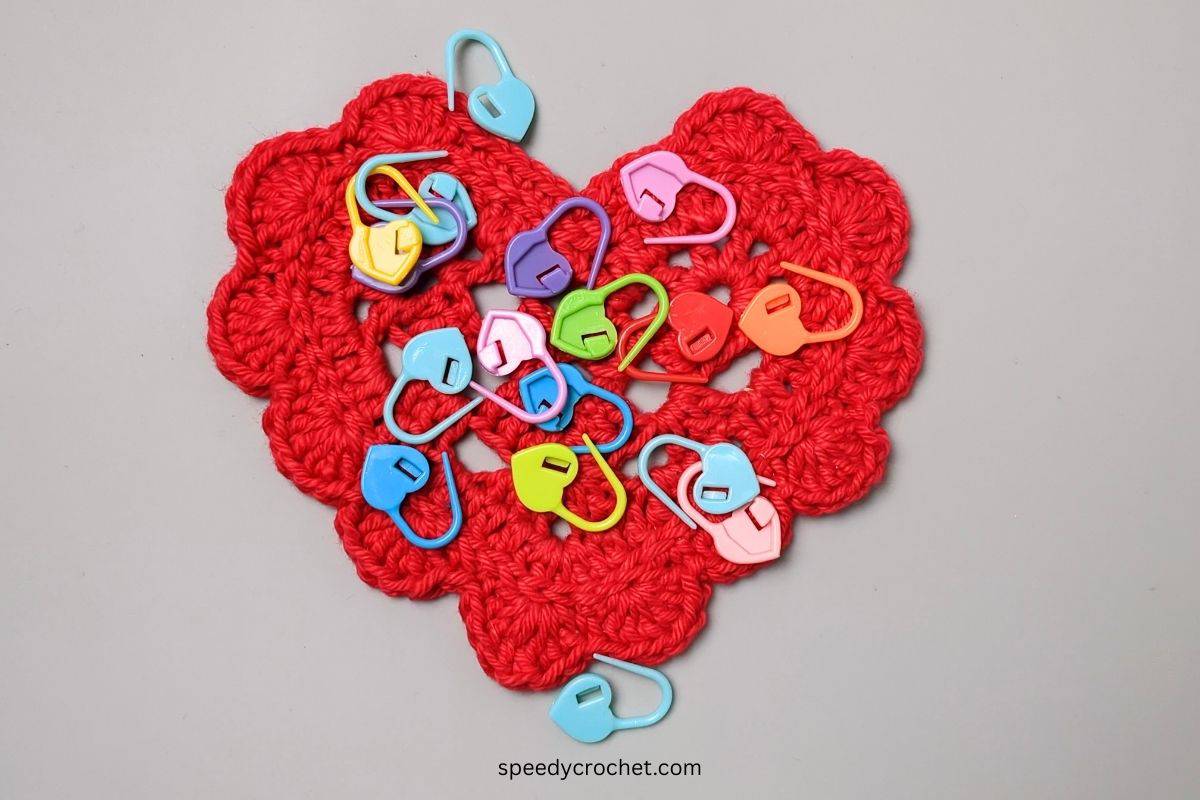
Stitch markers are invaluable for keeping track of the start and end stitches of a row or round. They also help you monitor specific points in a pattern and can be useful for maintaining accurate stitch counts.
Basic Crochet Stitches to Know
Now that you have your supplies, let’s dive into the basic stitches you’ll use over and over again in your crochet projects. These basic crochet stitches are easy to learn and form the foundation of most crochet patterns.
1. Chain Stitch (ch)
The chain stitch is the very first stitch you'll learn as a beginner. It creates a foundation for almost every crochet project and is the starting point for most patterns.
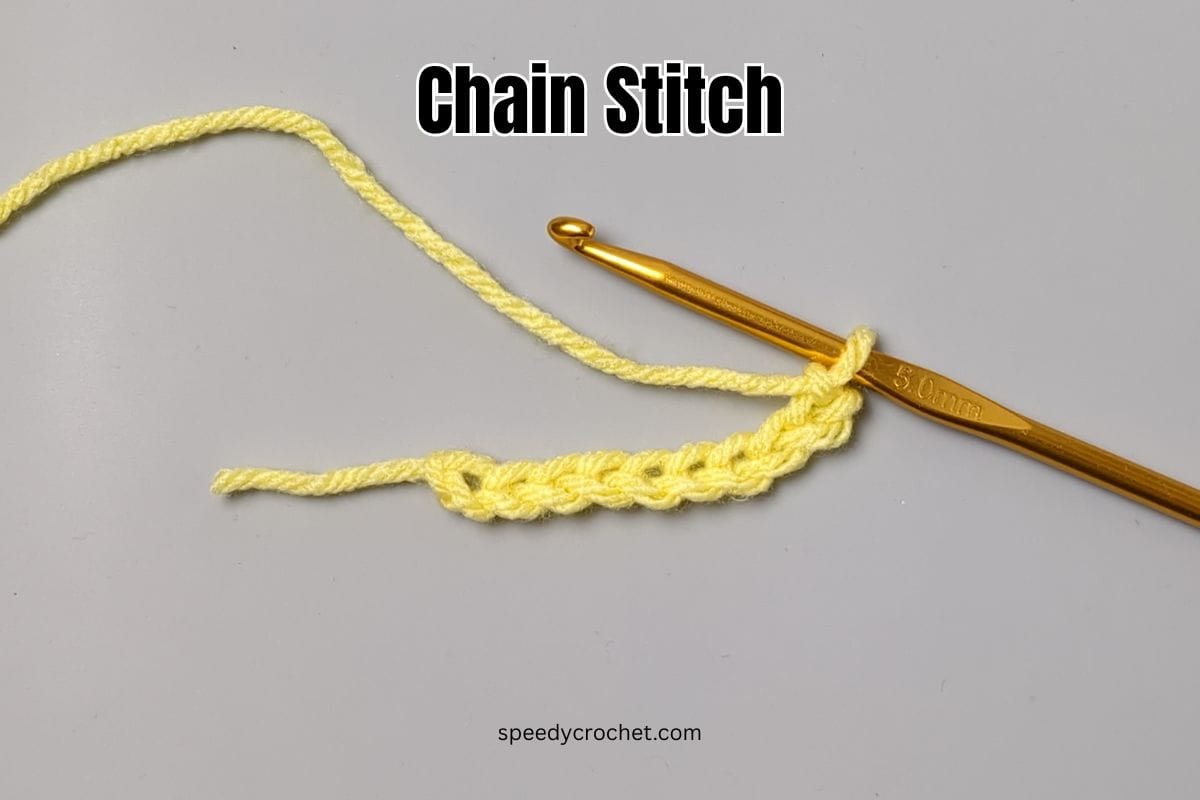
How to make a chain stitch:
- Make a slip knot on your hook.
- Yarn over (wrap the yarn around your hook) and pull it through the loop on your hook.
- Repeat until you have the desired number of chains.
2. Slip Stitch (sl st)
The slip stitch is often used to join rounds or to move between stitches without adding height.
How to make a slip stitch:
- Insert your hook into the stitch you want to work in.
- Yarn over and pull through both the stitch and the loop on your hook.
3. Single Crochet (sc)
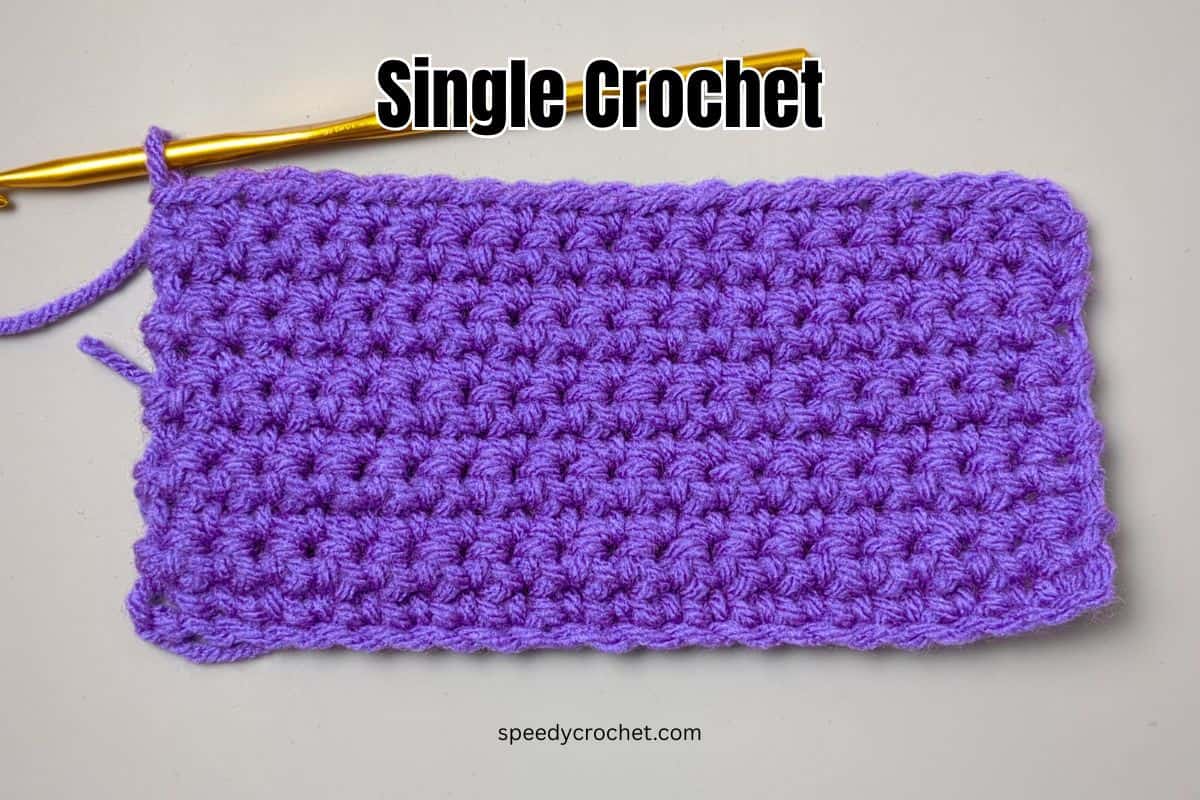
Single crochet creates a dense, solid fabric. It’s one of the most common stitches and great for beginners.
- How to make a single crochet:
- Insert your hook into the stitch.
- Yarn over and pull up a loop (you’ll have two loops on your hook).
- Yarn over and pull through both loops on the hook.
4. Double Crochet (dc)
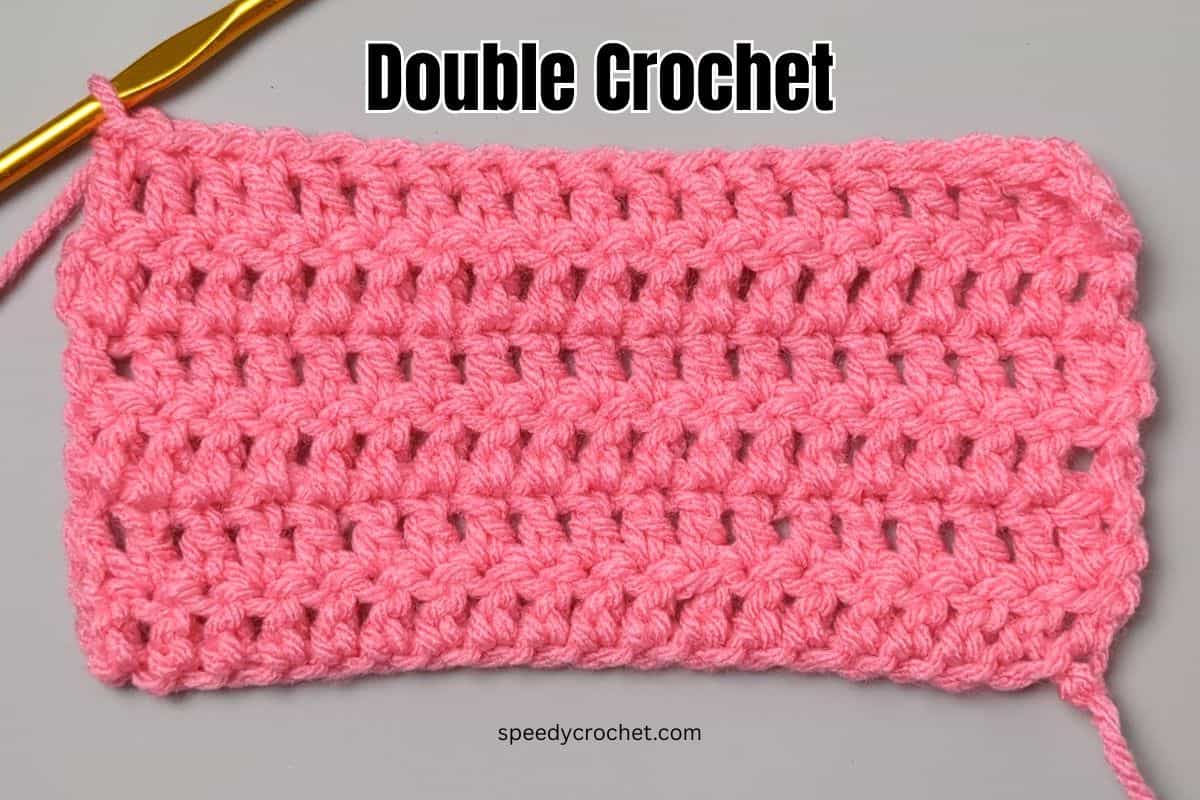
Double crochet creates a taller stitch and is perfect for projects like scarves and blankets.
- How to make a double crochet:
- Yarn over, then insert your hook into the stitch.
- Yarn over and pull through (you’ll have three loops on your hook).
- Yarn over again and pull through the first two loops.
- Yarn over once more and pull through the remaining two loops.
Learn a few more basic crochet stitches in our Crochet Stitches Guide.
How to Read Crochet Patterns
Once you’ve mastered the basics, you’ll want to start working on actual projects. Crochet patterns use abbreviations for the various stitches, so it’s important to know how to read them.
Common crochet abbreviations include:
- ch = chain
- sc = single crochet
- dc = double crochet
- sl st = slip stitch
- st(s) = stitch(es)
- yo = yarn over
- inc = increase (working two stitches into the same space)
Each pattern will explain its own abbreviations, but these are some of the most commonly used ones you’ll see across various projects.
Tips for Successful Crocheting
As you continue learning and practicing, here are a few tips to keep in mind:
- Practice Tension: Your tension refers to how tightly or loosely you hold the yarn while crocheting. Try to maintain consistent tension for even stitches. If your work is too tight, switch to a larger hook; if it's too loose, try a smaller hook.
- Don’t Rush: Crochet is meant to be relaxing, so take your time. It's okay to unravel a few stitches if you make a mistake!
- Use Stitch Markers: These are helpful for keeping track of your rounds or specific stitches, especially when you’re working in the round or on large projects.
- Take Breaks: Don’t crochet for hours at a time. If you start to feel your hands cramping, take a break and stretch. Crocheting is more enjoyable when you’re comfortable!
Easy Crochet Patterns
Looking for more patterns like this? Try these:
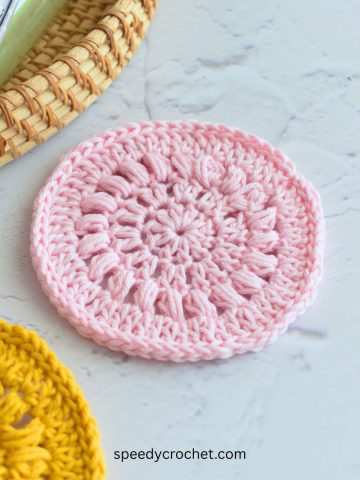
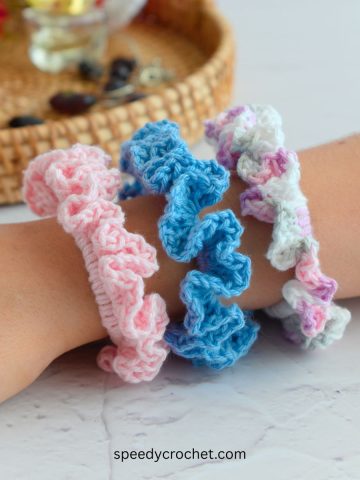
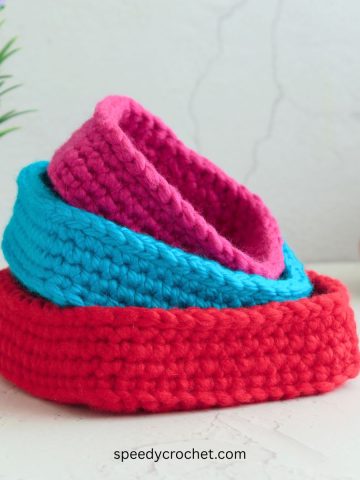
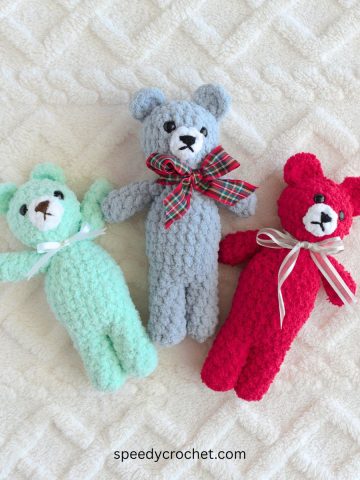
If you liked our blog post on A Beginners Guide to Crochet (or any other pattern on my website), please let me know how it went in the comments below. I'd love to hear from you!
What's Next?
- Pin this post: Save this post to Pinterest so that you can come back to it later.
- Share: Share a photo on social median and tag me @speedycrochet. We would love to see your creations!
- Leave a comment: Say hello and share your feedback in the comments section below.
